If you wait for a week of perfect, sunny weather to start an interior painting project in Seattle, you might be waiting a very long time. While exterior painting has a strict "weather window," interior painting is a year-round activity in the Pacific Northwest—if you know how to handle the humidity.
High indoor humidity and low temperatures completely alter how patching compounds dry, how dust behaves, and how paint cures. Prepping walls in the middle of a November drizzle or a wet April spring requires a specific strategy. Here is our professional guide to prepping your Seattle walls for paint when it's raining outside.
1. Control the Indoor Climate
The most common mistake DIYers make during the rainy season is ignoring the indoor climate. When it’s 45 degrees and raining in Ballard, the humidity inside your home climbs, even with the windows shut. This moisture absorbs into drywall and dramatically slows down the drying time of spackle, mud, and primer.
- Turn up the heat: Keep the room you are prepping at a consistent 68°F to 72°F. Warm air holds more moisture, pulling it out of the walls and joint compound.
- Run a dehumidifier: This is a game-changer. A standard room dehumidifier will pull gallons of ambient moisture out of the air, creating the perfect dry environment for patching and painting.
- Use fans for circulation: Point oscillating fans parallel to the walls, not directly at them. This keeps the air moving and prevents moisture pockets from forming in corners.
2. The "Hot Mud" Hack for Fast Dry Times
If you use a standard tub of pre-mixed joint compound (like the classic green lid "all-purpose" mud) to patch a large hole on a rainy day, it might take 24 to 48 hours to dry completely. If you paint over it while the center is still damp, the patch will eventually shrink, crack, or bubble.
The Pro Tip: Use a setting-type joint compound, commonly known as "hot mud."
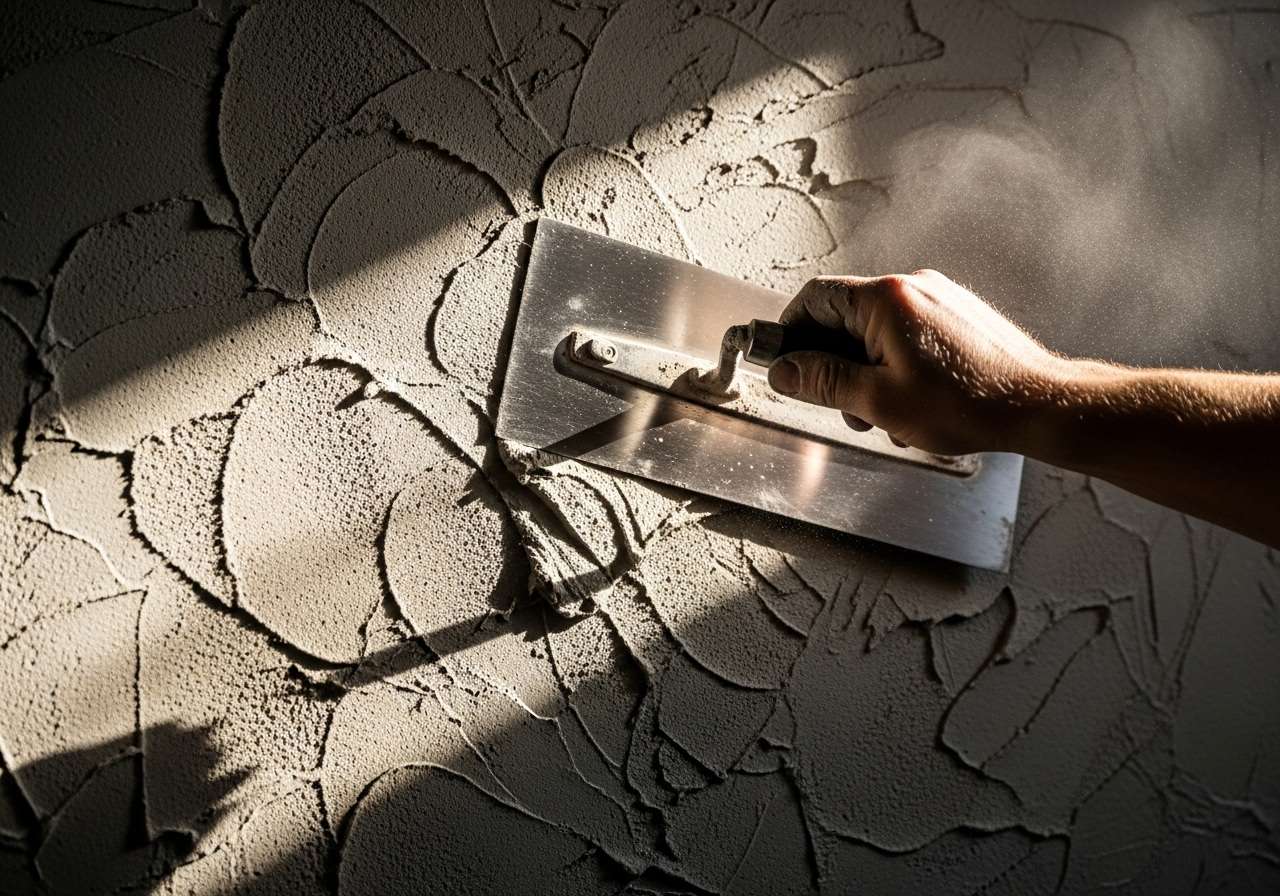
Unlike pre-mixed mud which dries via evaporation (a terrible process in high humidity), hot mud comes as a powder that you mix with water. It dries via a chemical reaction. You can buy "Easy Sand 20" or "Easy Sand 45" which literally means it will harden in 20 or 45 minutes, regardless of the humidity in the room. This allows you to patch, sand, and prime in the exact same afternoon.
3. Dust Control When You Can't Open Windows
In the summer, sanding drywall is easy—you put a box fan in the window blowing outward and open the doors. On a rainy Seattle day, opening the windows will freeze your house and invite more moisture inside.
To manage dust indoors:
- Wet Sanding: For small patches, use a specialized wet sanding sponge. It uses moisture to smooth the joint compound without creating a cloud of airborne dust.
- Dustless Sanding Systems: Professional painters use sanding blocks attached via a hose to a HEPA-filtered vacuum. It captures 99% of the dust before it ever hits the air. You can rent these systems at local hardware stores.
- Seal the Room: Tape heavy plastic over the doorways and over the HVAC return vents so you don't blast fine white dust throughout the rest of your house.
4. Don't Skip the Degreaser
Seattle homes are often kept buttoned up tight during the colder months. This means cooking oils, pet dander, and everyday grime tend to settle and stick to the walls, especially in kitchens and hallways.
Paint will not adhere to a greasy wall. Before you patch or prime, wash the walls with a degreaser. While TSP (Trisodium Phosphate) is the traditional choice, a liquid TSP substitute or even a mild solution of dish soap and warm water works wonders. Make sure to wipe the walls down with clean water afterward to remove any soapy residue.
"If you paint over a dirty, humid wall, the paint will look great for about three days. Then, as it cures, it will start to fish-eye, peel, and flake right off the grease."
5. Priming for the PNW
Once your patches are dry and sanded, it’s time to prime. On rainy days, standard water-based primers can sometimes struggle to bond to heavily patched areas.
If you are painting a bathroom, kitchen, or a basement suite that feels particularly damp, we highly recommend using a moisture-resistant, stain-blocking primer like Zinsser BIN or Kilz. These seal the drywall paper, lock in any residual moisture in the patches, and provide an incredibly sticky surface for your final topcoat of paint.
Too Damp to Deal With It?
Interior prep is messy, time-consuming, and heavily affected by Seattle's weather. Let the pros handle the dust and the dry times. Couple Of Guys Painting brings the right equipment to get the job done perfectly, rain or shine.
Get a Free Interior Painting Quote